Asphalt Sealcoating Services vs. Resurfacing: What Hoover Property Owners Need to Know
Property owners across Hoover, AL, frequently ask the same question about their pavement: should they sealcoat it or resurface it? This article explains what asphalt sealcoating services and resurfacing actually do, when each is the right choice, and how Hoover's hot, humid climate factors into that decision.
What Asphalt Sealcoating Services Actually Do
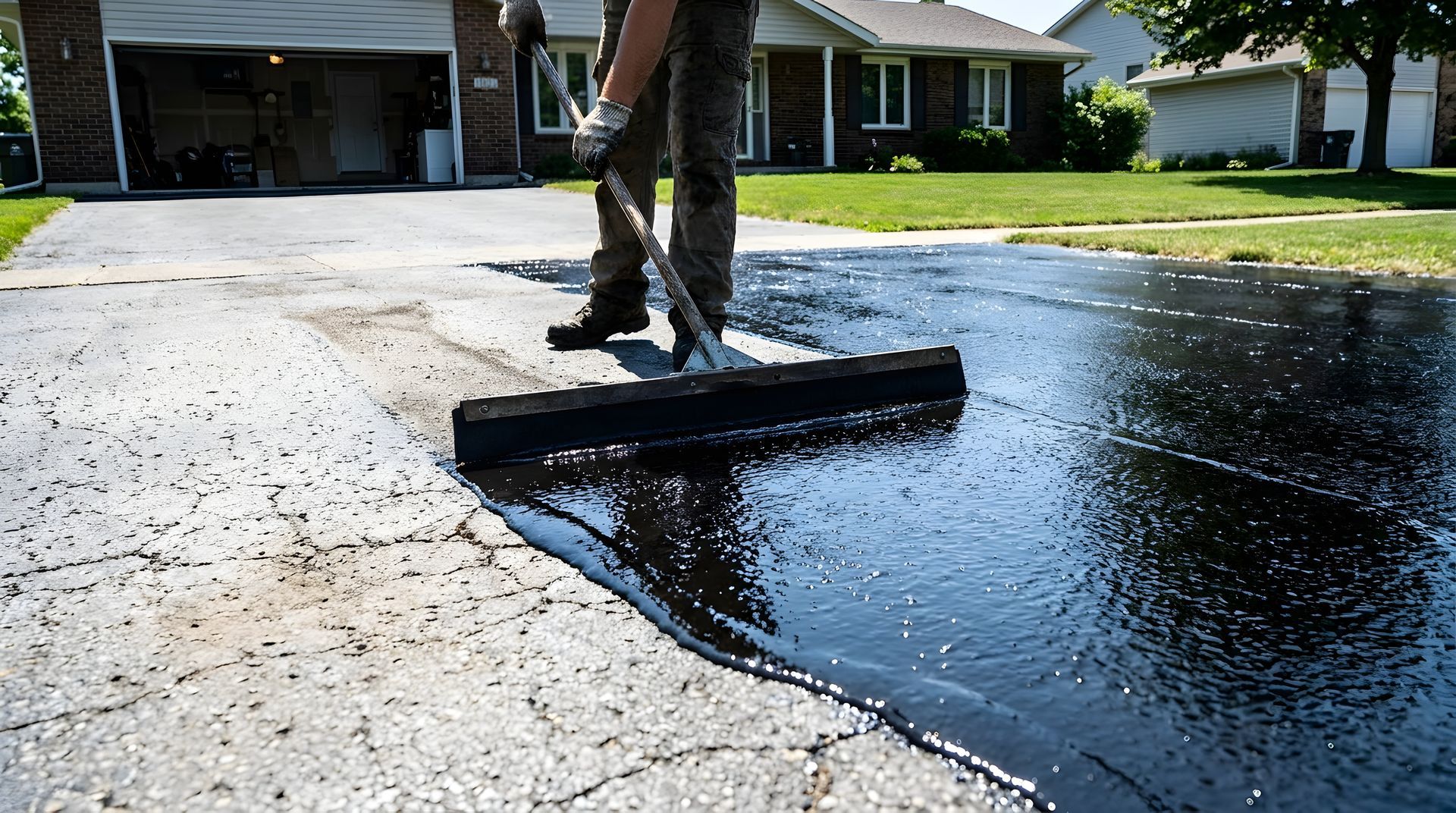
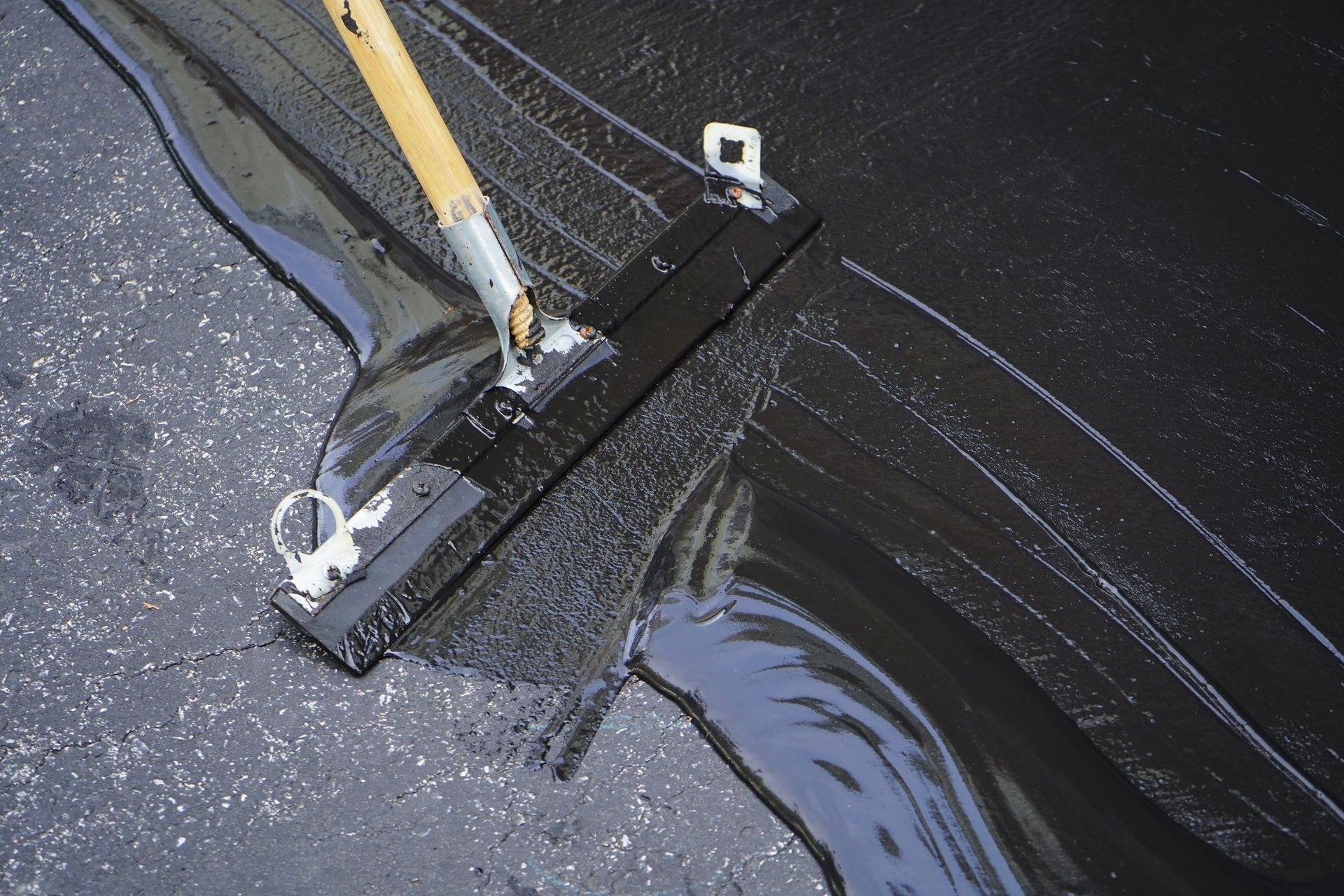
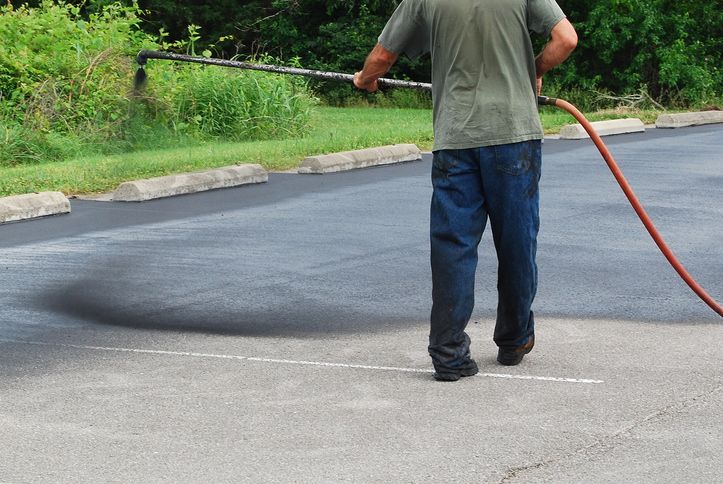
Sealcoating is a protective treatment applied to the surface of existing asphalt. It does not add structural strength or repair deep damage. Instead, it acts as a shield against the elements that cause asphalt to break down over time. Asphalt sealcoating services are designed to preserve pavement that is already in good structural condition, not to correct underlying problems.
Why Hoover's Climate Makes Sealcoating a Priority
Hoover sits in the greater Birmingham metro, where summer temperatures regularly push into the 90s and humidity runs high for months. Dark asphalt absorbs sunlight and can reach surface temperatures well above the surrounding air. Over time, UV rays break down the binders that hold asphalt together, causing the surface to fade, dry out, and crack.
What a Fresh Sealcoat Protects Against
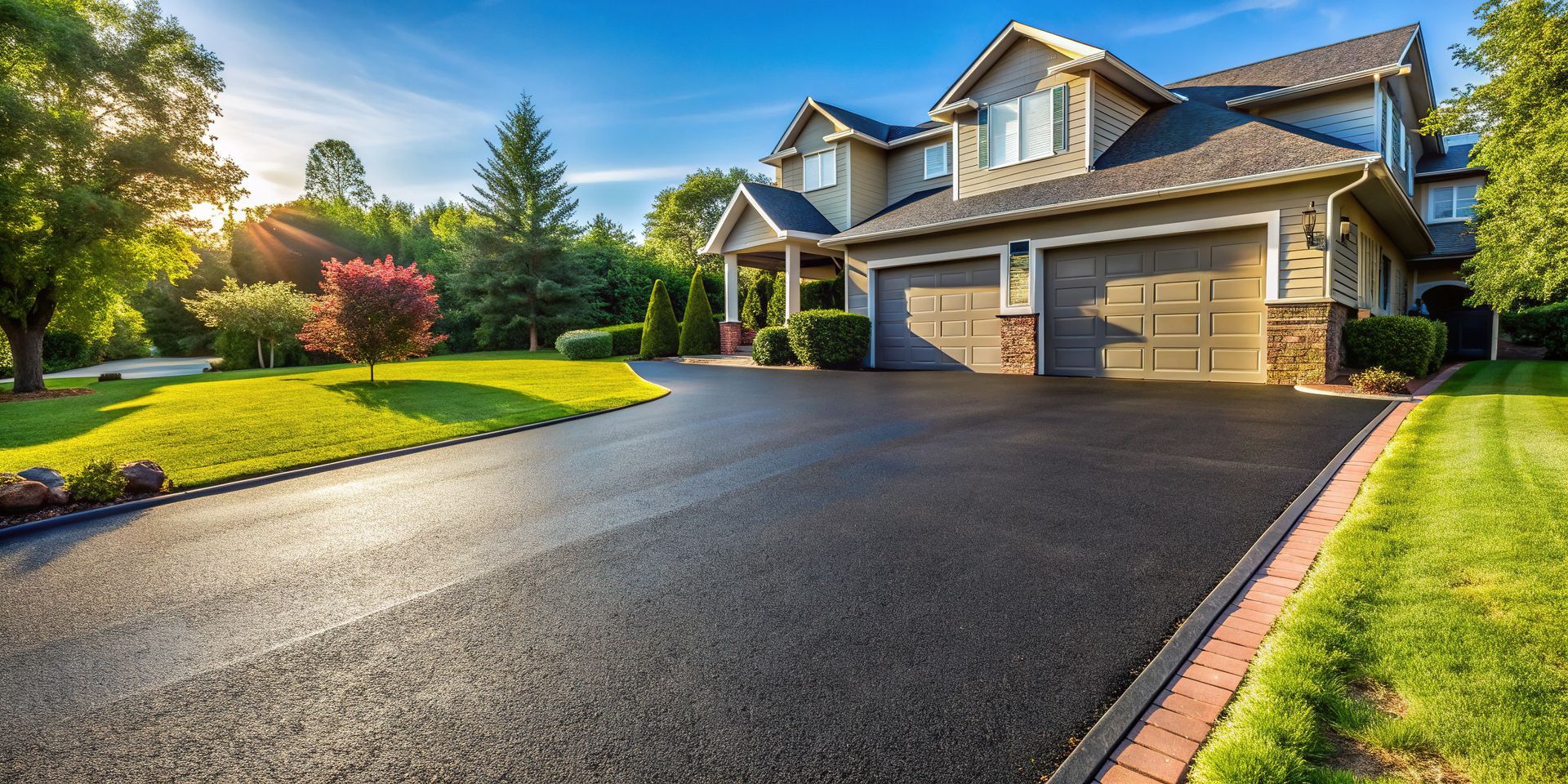
Asphalt sealcoating services in Hoover, AL, address this directly. A fresh coat of sealer slows UV damage, repels moisture, and guards against oil and fuel spills. It also restores the deep black finish that signals well-maintained pavement. For driveways in neighborhoods like Bluff Park or Ross Bridge, and for commercial parking lots along Alabama 150, regular sealcoating can meaningfully extend the life of an otherwise sound surface.
What Asphalt Resurfacing Does Differently
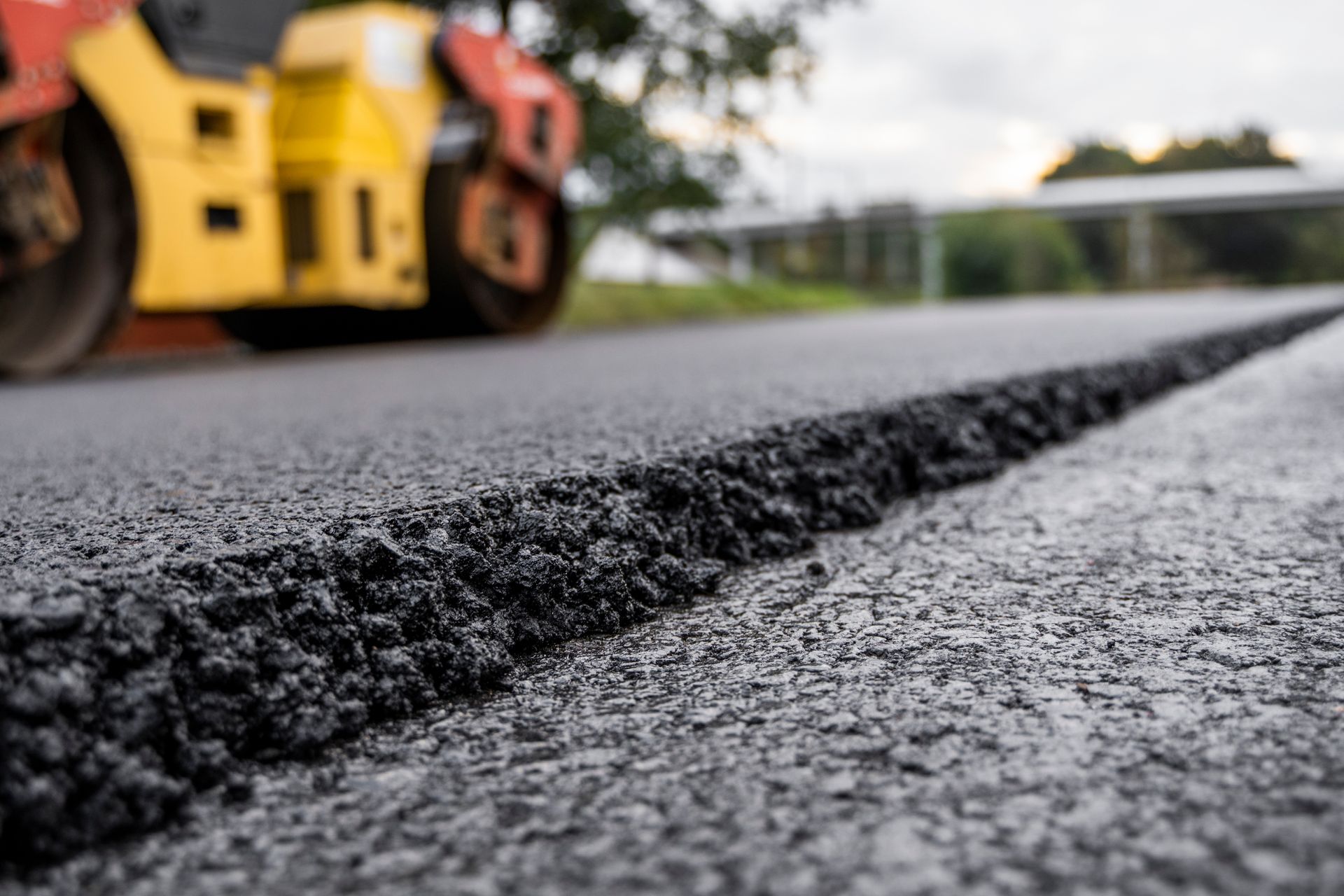
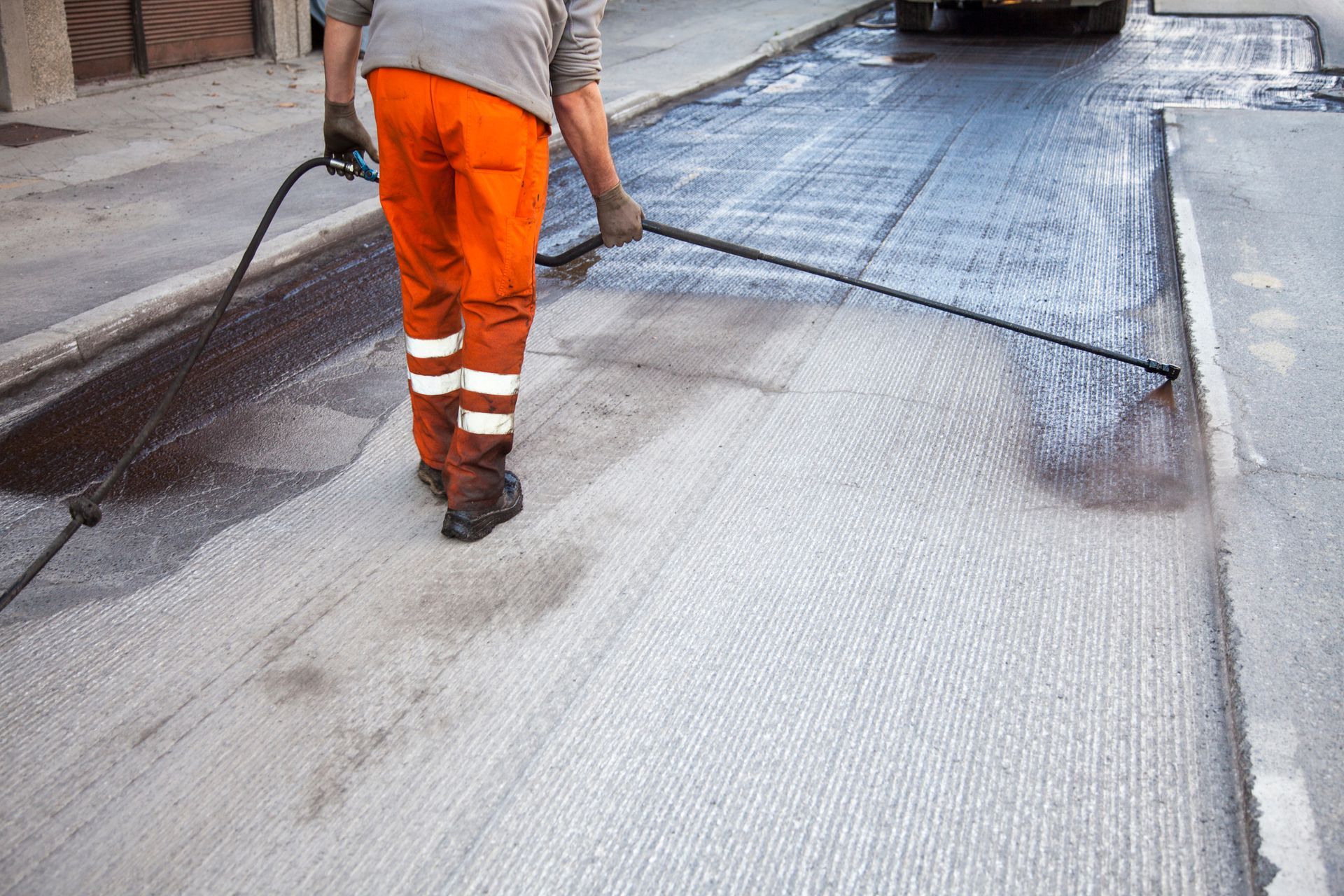
Resurfacing is a more involved repair. It means paving over the existing asphalt layer and installing a new layer on top of the original base. It is not a protective coating. It is a structural fix.
Signs That Resurfacing May Be the Right Call
Sealcoating cannot fix what is already broken. If pavement shows any of the following, a professional will likely recommend resurfacing instead:
- Large cracks running in a web or alligator pattern.
- Potholes or depressions affecting the base layer.
- Uneven surfaces that collect standing water.
- Areas where the sub-base is visible.
A newly resurfaced surface can then receive asphalt sealcoating services once it has cured, combining the benefits of both treatments.
Longevity Differences Worth Knowing
Sealcoating adds a few years of protection on a regular maintenance cycle and causes minimal disruption to your property. Resurfacing involves more preparation and material, but results last significantly longer before major intervention is needed again. Think of sealcoating as routine upkeep and resurfacing as a meaningful restoration.
How to Tell Which Service Your Pavement Needs
The condition of existing asphalt is the deciding factor. Sealcoating is the right service when the surface has only minor oxidation or hairline cracks, drains properly, and it has been three to five years since the last application. Resurfacing may be needed when cracks are widespread and connect across large areas, potholes keep returning after patching, the surface has sunk or shifted, or a professional confirms the top layer is failing while the base remains solid.
What Happens If You Skip Both?
Pavement that goes without maintenance gets worse, typically faster than property owners expect. Small surface cracks allow water to seep in. In Hoover, summer rains and occasional winter freeze-thaw cycles work that moisture deeper into the pavement. Over time, the sub-base softens until neither asphalt sealcoating services nor resurfacing is sufficient, and full replacement becomes the only option. Staying on a regular maintenance schedule can push that timeline much further into the future.
Frequently Asked Questions
How Often Should Asphalt Be Sealcoated in Alabama's Climate?
Most professionals recommend asphalt sealcoating services every two to four years in Hoover's climate, where UV exposure and summer heat accelerate surface wear.
Can Sealcoating Fill in Cracks or Potholes?
No. Sealcoating is a surface treatment only. Cracks and potholes need filling or patching first, since sealing over them traps moisture and worsens damage.
Is Resurfacing the Same as Repaving?
Not exactly. Repaving removes the entire asphalt layer and starts over. Resurfacing adds a new layer over a sound base, costing less and disrupting less.
Does New Asphalt Need to Be Sealcoated Right Away?
No. New asphalt should cure at least 90 days first. Sealing too soon traps gases and prevents proper curing, so ask your contractor about timing.
Get the Right Answer for Your Property
Sealcoating pavement that needed resurfacing wastes the investment. Resurfacing pavement that only needed a sealcoat is an unnecessary expense. The most reliable way to know which service fits your situation is to have a professional evaluate the pavement directly.
Lickert Paving & Sealcoating serves Hoover and the surrounding Birmingham metro area with residential and commercial asphalt sealcoating and paving services. To learn more about what a professional maintenance plan covers, visit our asphalt sealcoating services page. If your pavement may need resurfacing or a new installation, our asphalt paving page covers those services in detail. Contact our team online to request a free estimate.